NATIVE LANDSCAPING AND CONSULTING, LLC
  • Home
  • Services
  • Blog
  • About
  • Contact

SERVICES

Native Landscaping and Consulting offers a wide range of services
 Central Ohio's native landscapes are fields, forests, and waterways. These areas, however small or large, are mostly degraded and not healthy. There are several ways to improve the general health of the land, usually involving removing the bad and conserving the good. Additional plants can be planted to fill in the gaps and to prevent further problems in the future. A vigorous, healthy landscape is much more resilient in the face of constant threats from heat, drought, and unwanted plant and animal species moving in. Like anything else, some general maintenance is needed to help our landscapes stay healthy and provide the benefits to us and our local wildlife populations.
​

Seasonal Calendar of events
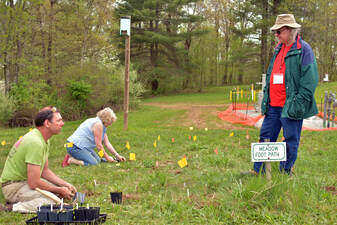
Our native landscapes need all the help they can get. The fields, forests, and waterways of central Ohio are more often than not choked with invasive and aggressive plant species and literal trash. Cleaning and maintaining these wild areas allows for the return of native flora and fauna over time, generally without spending large amounts of money on new plants. Below is a general seasonal calendar for land management-
Winter is the season of removal! Woody invasive and aggressive trees, shrubs, and vines are cut and treated, dug, or otherwise removed. Aside from a few other reasons, the soil is moist from November until April and all the leaves are down which makes removal in winter the most efficient time of year for these tasks. Planting of trees and shrubs continues through winter and is also the time to get seed down.
Spring is time for perennial planting! Taking advantage of cooler air and soil temperatures while planting reduces the general stress on the plants from being planted. This is also the time to begin pulling unwanted plants like winter annuals and garlic mustard. A good rule of thumb is to pull herbaceous plants before their flowers turn to seed to prevent even more unwanted pants in the future. Woody stemmed invasive species are generally not cut until fall, as herbicide use is least effective from early spring to the end of summer like conditions.
Summer is the time to enjoy native landscapes and plan site preparation. As our summers get hotter and dryer, watering has become a task of summer. Yes, some native plant communities are tolerant of some droughty conditions, but not immune to them. Some plants have even dropped leaves in recent summers due to these conditions (I'm looking at you, spicebush!). Summer is also weed season- tons of herbaceous plants need pulled to prevent further spreading. This is not a good time to plant or remove- the heat and droughty conditions make digging in the hard ground inefficient and new plants tend to suffer for it. Anything seeded in winter should now have germinated and a newly seeded prairie should have blooms by the 4th of July.
Fall always comes as a relief and hopefully rains. This can be considered the start of planting woody material and woody invasive removal. Hopefully asters and goldenrod are present to provide food for wildlife, while our native berry producing shrubs are getting picked clean by songbirds. If you're paying attention, you'll notice our native shrubs are stripped of berries while honeysuckle and privet still have berries, which goes to show the low nutritional value to wildlife these species' berries provide. This time of year is also good for collecting mature seed.

Picture
photo by P. Harrington
Picture
photo by P. Harrington
  • Plantings native to central Ohio
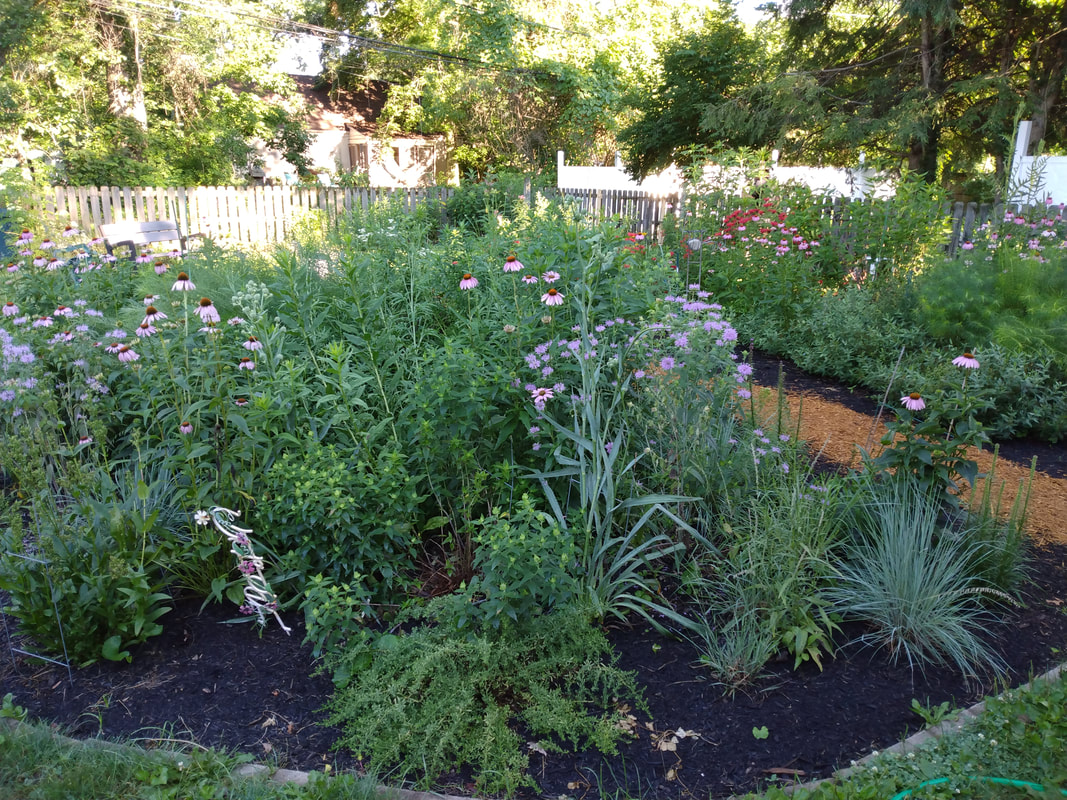
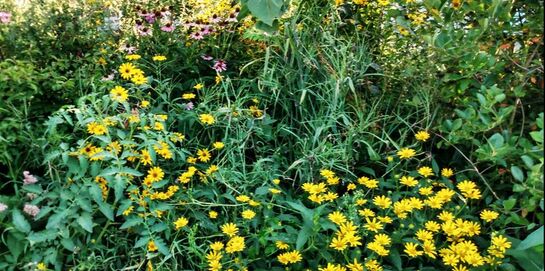
From perennials to trees, there are several species of native plants available to suite different site conditions. There are solutions for just about every site from seasonal standing water to dry and windy locations. 
Picture
photo by P. Harrington
  • Invasive species removal
Several ornamental plants are extremely aggressive competitors, usually from exotic locations. These plant species outcompete native plant communities, decreasing biodiversity. Depending on the severity of an individual situation, there are several ways to combat invasive species.
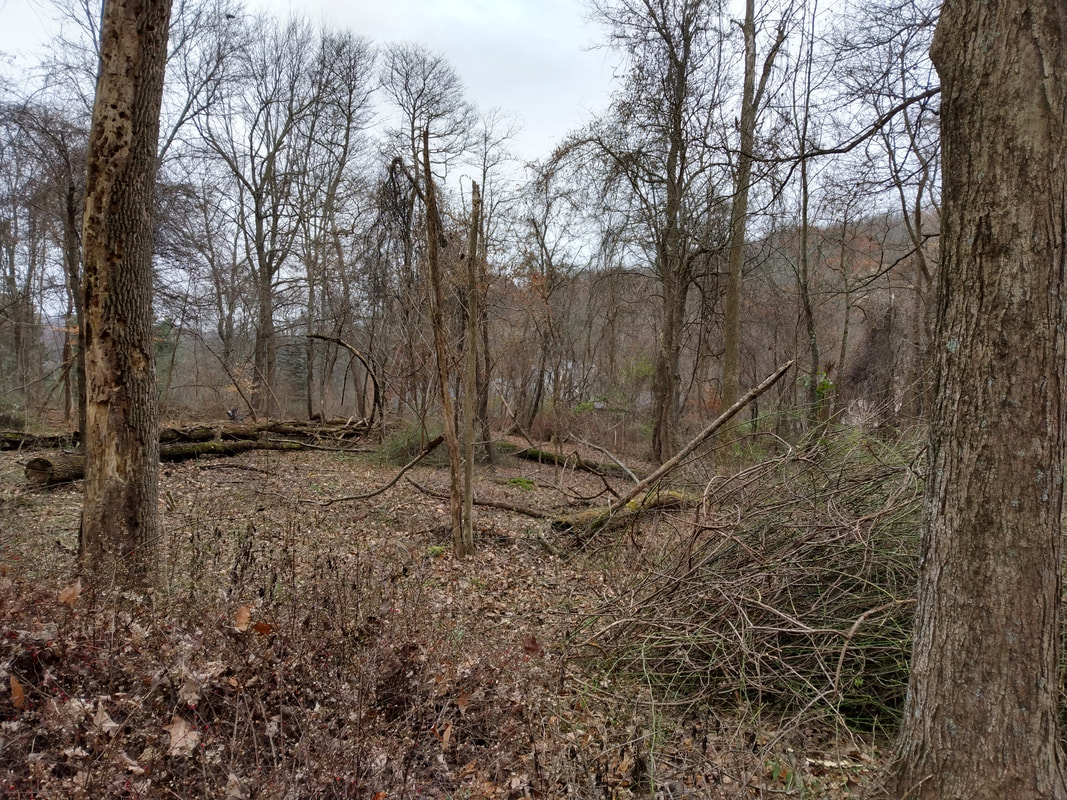
Common invasive species include honeysuckle, multiflora rose, and privet. Just these three species can and will shut out all other plants, eventually to the point that you won't even see or hear birds anymore. Removing the invasive species allows native plants to return or be planted while providing  much higher nutritional value as well as shelter.

Picture
photo by P.Harrington
Picturephoto by P. Harrington
  • Attracting wildlife
Wildlife is attracted to wild. By changing your perspective, you can begin to see things differently. What may be visually appealing to the human eye may not be as appealing to wildlife looking for a home. Brushy areas and thickets of native shrubs are wonderful features for wildlife that can be added to a typical urban yard.


​

  •  Rewilding
Rewilding is a long term and low impact management strategy that allows for natural processes and systems to help repair degraded lands back to a relatively uncultivated state. There are many actions that can be taken  to encourage rewilding, even in an average urban yard. Old farm fields, woodlots, urban yards, and ditches are also perfect rewilding sites.

  • Climate change mitigation at home​
There are so many changes you can make on your property or in your yard to alleviate a warming Ohio. Every year is warmer than the previous year, so what does that mean to local plant populations and what can be done to help alleviate these changes? I can provide advice and long-term plans to keep your outside space thriving and tough enough to handle present and future conditions. 


* Native Landscaping and Consulting LLC does not provide "traditional" landscaping services such as
  • edging and mulching
  • fall cleanup
  • formal designs or drawings
  • ​hardscaping
  • Home
  • Services
  • Blog
  • About
  • Contact