NATIVE LANDSCAPING AND CONSULTING, LLC
  • Home
  • Services
  • Blog
  • About
  • Contact

Blog

A Few Winter Tasks

12/17/2025

0 Comments

 
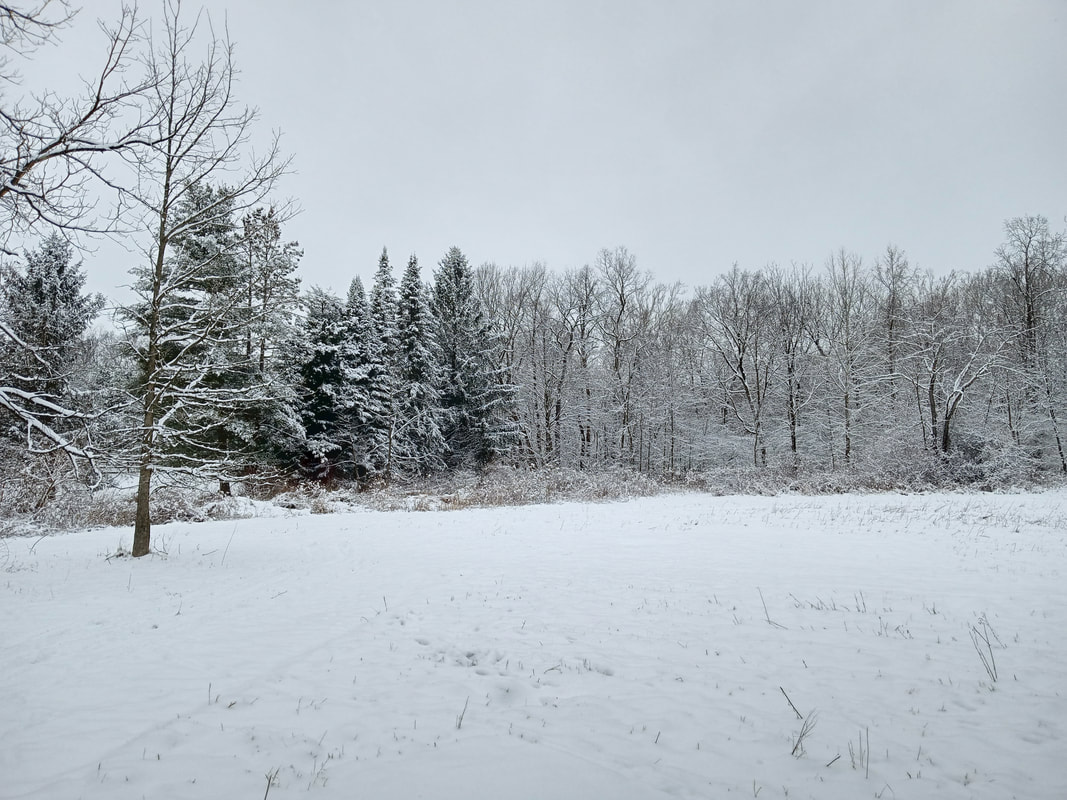
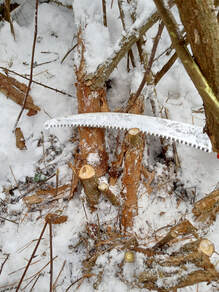
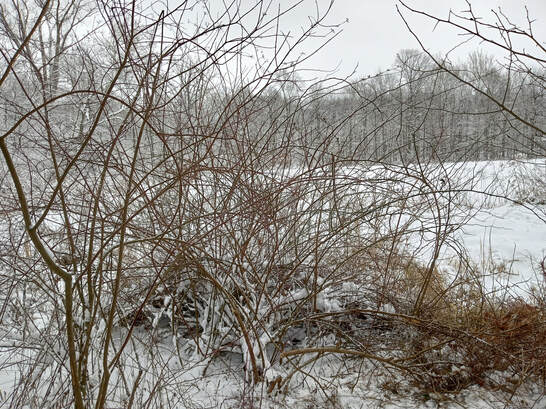
Most people don't spend too much time thinking about the wider landscape during the winter months, but it is absolutely the best time for making a big difference in your yard or on your acreage. Winter is the best time (and usually the only time) for removing woody invasive species like honeysuckle, multiflora rose, privet, etc. Winter is also the best time to work on removing aggressive evergreen vines like English ivy, winter creeper, and vinca.
There are several reasons why winter is such an efficient time for removing unwanted species, large and small. As central Ohio transitions into fall from summer, the soil becomes moist and remains moist until spring. Everything comes out of the ground so much easier when the soil is moist from fall rains and our usually light snowfalls. Everything that is pulled or dug out of the ground, or cut in preparation for an herbicide treatment, is also much lighter in weight. This is due mostly to leaf loss and also that woody plants have drawn down moisture to the root system as storage for the spring. Think of maple syrup production- there is a pretty specific set of conditions for good sap flow. This same concept is applied to a timely schedule of removing unwanted woody plants like honeysuckle. 
This first picture shows a day's haul of woody invasives along an urban waterway (thank you volunteers!) conducted at the correct time. Everything here was either dug or cut by hand. Thankfully, most of the stems were smaller diameter and gas powered equipment was not needed for removing the shrubs. This project is along a recreational paved trail, which is not the most appropriate site for loud tools. People using the trail are more friendly and much easier to talk to without gas powered equipment running in the background. 
Picturephoto by P.Harrington

Especially when working with a group of people, focusing on controlling two or three species simplifies the event for everyone involved and I like to think it creates a safer working environment.
Winter is also peak time for removing vines and evergreen ground cover. It's the usual combination of English ivy, wintercreeper, vinca, etc. that have been aloud to spread into our wild areas that are the main targets. Sometimes it feels like this group of plants is actively trying to cover the planet and I find them randomly in forests and waterways far removed from urban development. Native perennial growth starts to get choked out pretty rapidly. These evergreen invasives are much easier to find and pull during the winter months when the ground is always moist, and also, very important but overlooked, existing native perennials don't suffer as much damage during the removal process as they lay dormant below. These native plants have hopefully been flowering and producing seed which will remain in the ground if the evergreen vines and ground cover are pulled (as opposed to being dug out.). It isn't a stretch to claim that dozens of calico asters will be blooming a year after the invasives are removed.
​
Picturephoto by P. Harrington
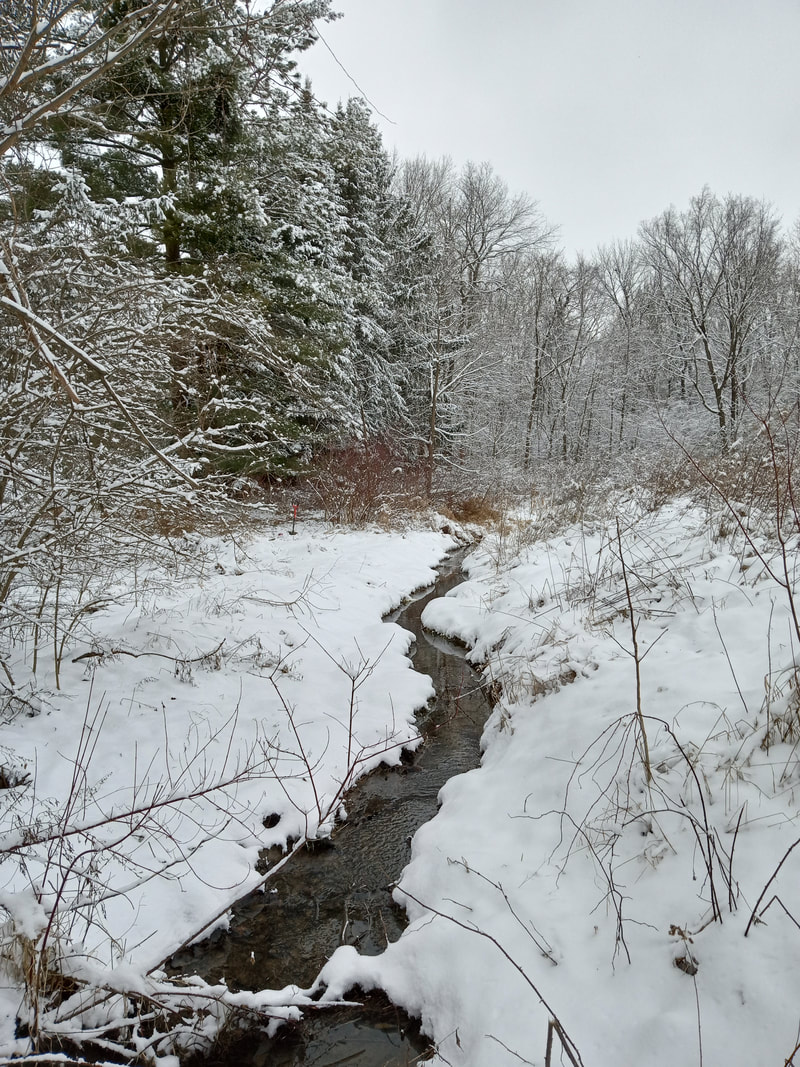
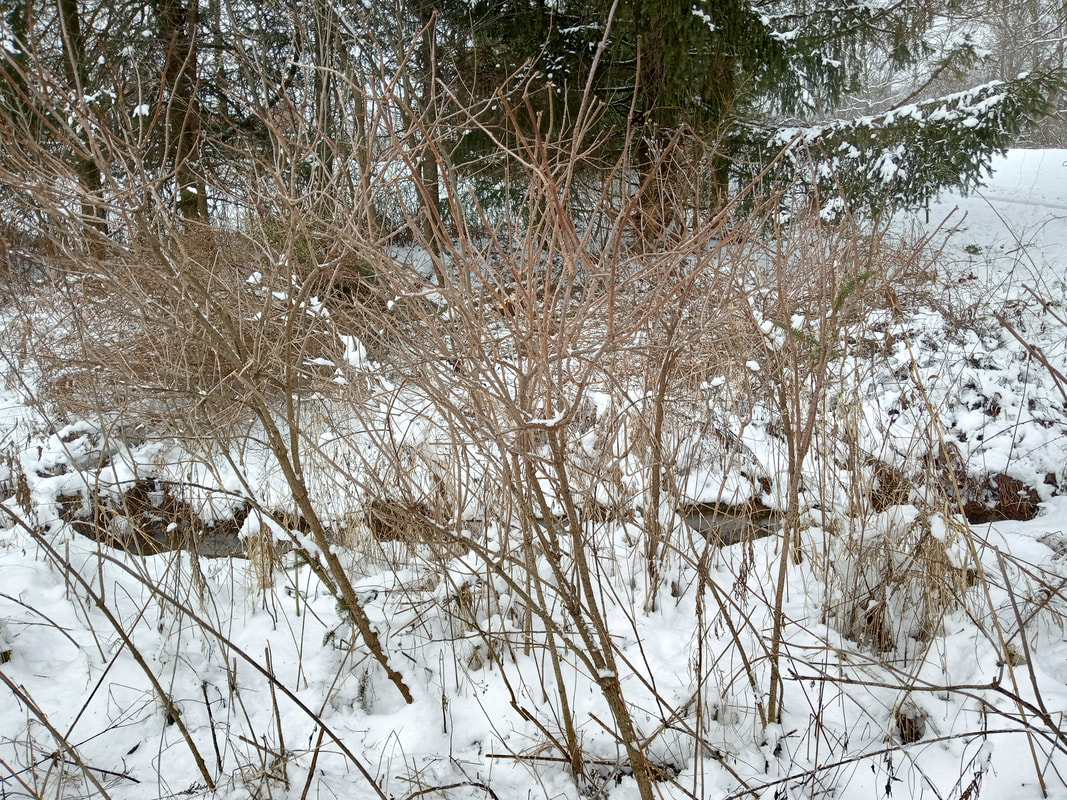
This picture is a very common scene I think everyone can relate to. Getting this mix of evergreen vines out and away from the water is critical to prevent them from further spreading downstream. I would much rather hand pull this isolated patch in the winter primarily to prevent further spread and to protect existing native dormant perennials.

0 Comments

Laurel wilt update

12/10/2024

 
bygl.osu.edu/node/2440

BBARBERRY

6/9/2024

 
Barberry shrubs are another aggressive, non-native invader from another land. These shrubs can become huge problems in forest understories where large thickets form over time thanks to the lower branches layering and a tolerance of the forest shade. I think these shrubs largely go unnoticed because they aren't readily recognizable in the shade, where their leaves stay green. If these barberries are caught early enough, the right hand tool is enough to pop them out of the ground.
Picture
In this photo, barberry shrubs have just begun invading this forest edge, already interrupting this seasonal stream's natural hydrology. Literally growing in this stream, the barberries will continue to flower and produce berries, which in this case, can be washed downstream to germinate and begin anew.

Picture
Once removed, the natural hydrology is restored, the potential seed source for more barberries is eliminated, and our native forest denizens will have more available resources.

Picture
Note the smooth leaf edges and early green up coinciding with the forest's spring ephemeral blooming period. Speaking of which...
Picture
Here's the same barberry shrub. I pulled back the branches and found an anemic population of jack-in-the pulpit on their way to being out-competed. Here we have concrete evidence of barberries changing our forest's composition for the worse.

Lesser Celandine

12/31/2023

 
Lesser celandine is one of our more challenging invasive species to control. It emerges, flowers, and goes dormant in a very short period in early spring. If you have walked along rivers, streams, and flood plains in the springtime, you have likely seen lesser celandine. It is very good at excluding / choking out native perennials and seedlings. It is late December and I saw some emerging along the Scioto river last week, likely encouraged by our recent warm temperatures. I did not apply herbicide this early in the growth cycle, as the timing and the plant's development weren't ready quite yet.
lesser_celandine__an_aggressive_non-native_spring_ephemeral___bygl.pdf
File Size: 24303 kb
File Type: pdf
Download File

<<Previous

    Archives

    December 2025
    December 2024
    June 2024
    December 2023
    January 2023
    July 2022
    April 2022
    December 2021
    July 2021
    April 2021
    March 2021
    May 2020
    January 2020
    December 2019
    September 2019
    June 2019
    April 2019
    January 2019
    July 2018
    April 2018
    March 2018
    July 2017
    May 2017
    April 2017
    March 2017
    February 2017
    December 2016
    September 2016
    June 2016
    April 2016
    January 2016
    November 2015
    September 2015
    August 2015
    June 2015

    RSS Feed

  • Home
  • Services
  • Blog
  • About
  • Contact